Last updated
Mar 3, 2026
Last updated
Mar 3, 2026



Market intelligence and market research are often used interchangeably, but they are distinct concepts. Market research is typically a one-off project designed to address specific business questions. In contrast, market intelligence is an ongoing process that helps businesses stay up to date on changes in the market landscape. While both provide critical insights about external market landscape for businesses to make informed decisions, their applications, methodologies, and purposes differ significantly. This article will explore the difference between market research and market intelligence, delving into their definitions, categories, and their roles in business decisions.
Market Intelligence vs Market Research: At a Glance
| Category | Market Intelligence | Market Research |
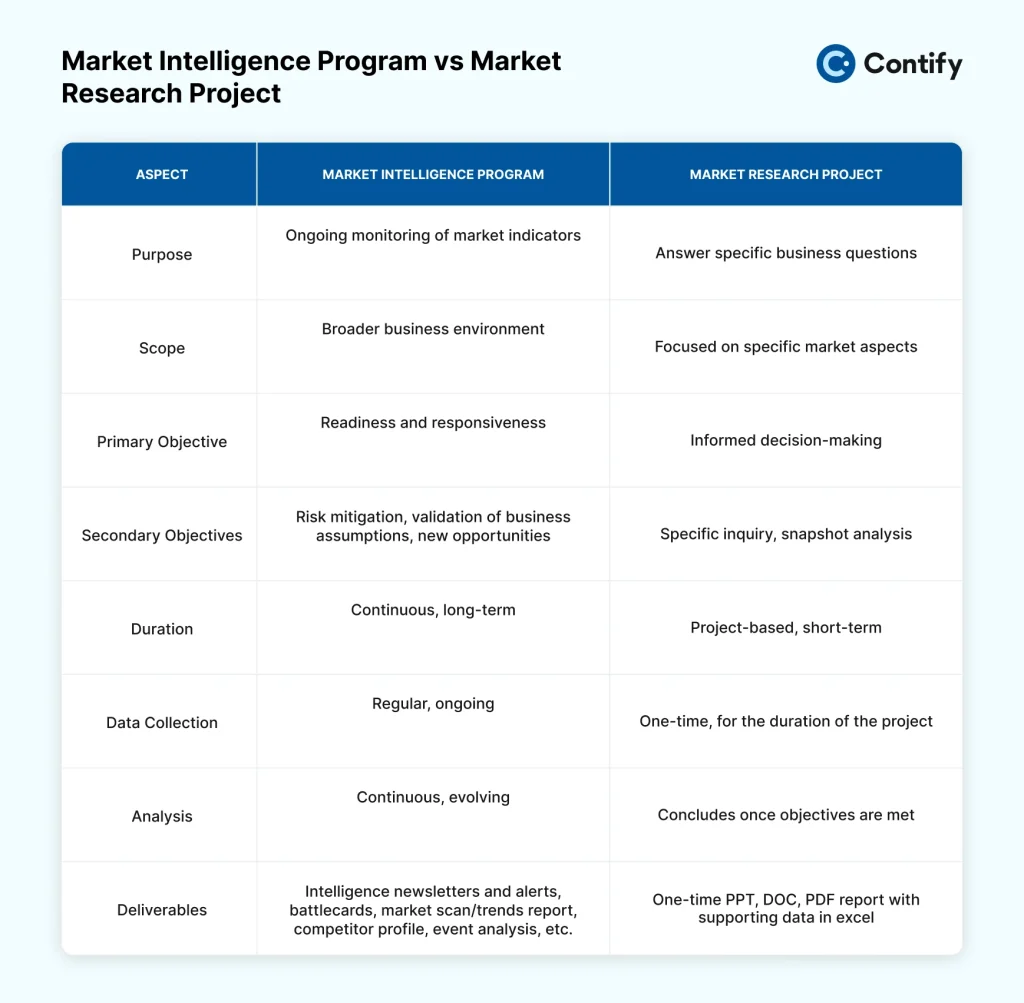
| Objective | Maintains an ongoing understanding of the market environment rather than answering one-off questions. Concerned with tracking “what’s changing” in the business landscape. | Conducted to answer a specific business question or test a hypothesis. It’s typically project-based and designed to address specific queries. |
| Scope | Involves market and competitive landscape and includes external factors (competitor moves, industry trends, market share changes, regulatory shifts, and other marketplace dynamics). In essence, it provides a continuous awareness of all facets of the market affecting your company including competitors, customers, suppliers, partners, industry trends. | Looks at factors directly related to the company’s products, customers, or strategy. For example, it might examine a specific consumer segment, product feature, or brand perception. It does not typically cover broad external factors beyond the study’s focus |
| Frequency | Operates as a continual program with regular data collection and updates (daily, weekly, etc.), ensuring organization is always alerted to new developments in real time. | Often executed as a one-time project or at set intervals to meet an immediate need. For instance, a company might run a major market research study before a product launch or do annual customer satisfaction surveys. Between studies, there are usually gaps. |
| Data Sources | Pulls from a wide array of external sources and some internal data on an ongoing basis: news articles, press releases, competitor websites, social media, industry reports, financial filings, regulatory databases, and other public information. | Primarily relies on data shortlisted for the study. Common sources include primary research (e.g., customer surveys, interviews, focus groups) to collect direct feedback, and targeted secondary sources like analyst reports, online information or internal sales data relevant to the question. The data sources are specific to the research objectives |
| Business Impact | Functions as an early-warning system to help organizations adapt in a timely manner by alerting the company to emerging threats or opportunities (shifting customer trends, a new competitor entry, etc.) so that leaders can respond before it’s too late. | Supports strategic planning and risk reduction for targeted initiatives. Market research insights help validate assumptions about competitors, customers or markets before the business commits to a direction. For example, it can guide product development or marketing strategy by ensuring they align with actual customer needs, and differentiate from competitors thereby increasing success rates and ROI. |
What is Market Research?
Market research is the process of collecting, analyzing, and interpreting data to gain insights into target market, identify growth opportunities, and make informed business decisions.
The decisions supported by market research are strategic, not day-to-day operational or transactional questions. For example:
- Who are the key market participants (competitors, customers, regulators, or suppliers), and what are their strategic objectives, strengths, and weaknesses?
- What are the emerging needs and preferences of our target customers?
- What are the gaps in the market that we are best positioned to serve?
- What is our products’ market perception/ positioning, and what enhancements should we make to differentiate them ?
- What would be the most effective go-to-market strategy for our products or services?
- What should be the pricing strategy for our products or services?
- How can we differentiate ourselves from competitors and create a unique value proposition?
By using appropriate market research techniques, businesses can answer these questions effectively.
Insights from market research enable companies to develop products or services that directly address customers’ pain points, increasing market adoption and customer loyalty.
Market research also helps align various aspects of a business: product development, marketing, and even operational processes with customer needs and new opportunities.

Market research can be categorized along different dimensions, such as qualitative vs. quantitative or primary vs. secondary. Here’s a brief overview:
Quantitative vs Qualitative Research
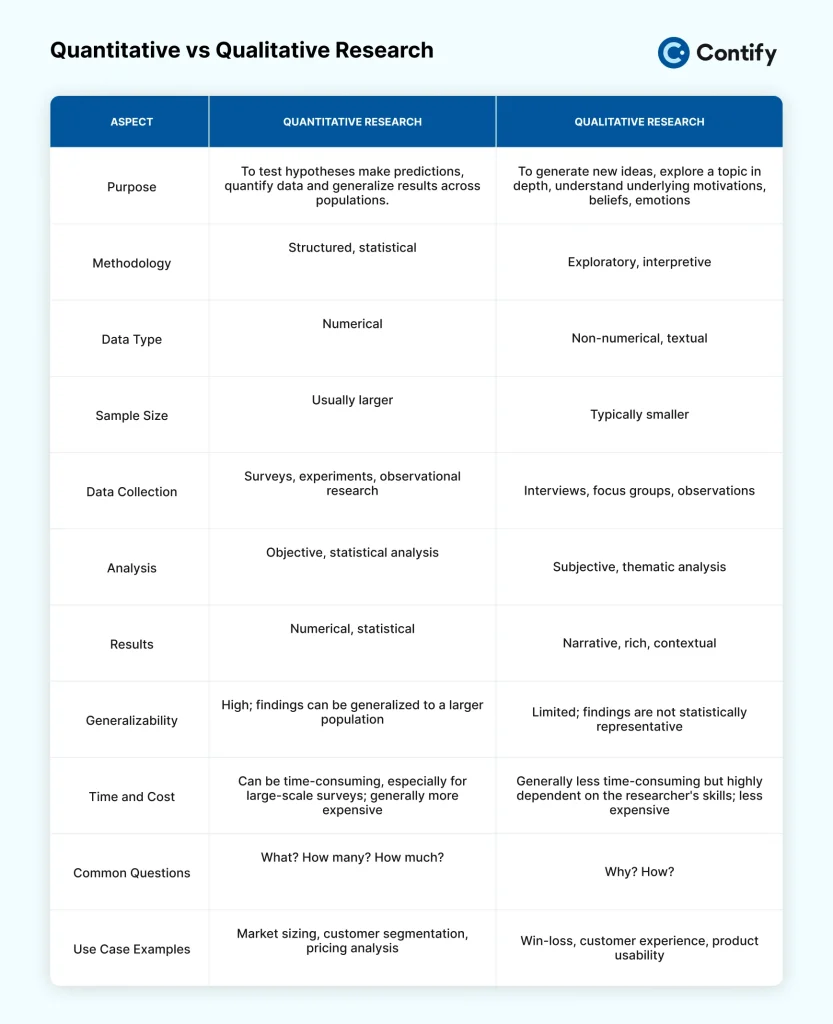
Quantitative research involves collecting numerical data from a large sample of respondents using structured methods such as surveys, experiments, or observational research.
The numerical data can be generalized across larger groups, making it excellent for testing hypotheses and making predictions. Quantitative research typically applies statistical analysis to interpret results, making it well-suited for measuring parameters such as customer satisfaction, purchase intention, brand recall, etc.
Quantitative research can provide a more accurate and generalizable picture of a target market than qualitative research, but it can be less in-depth. Quantitative research typically draws on larger samples and uses numerical data, making results more reliable for describing the overall market. But because it focuses on fixed questions and short answers, it often doesn’t go very deep into the “why” behind those numbers in the way qualitative research can.
Qualitative research involves collecting non-numerical subjective data from a sample of respondents using qualitative methods such as interviews or focus groups. It allows you to explore themes such as customer emotions, opinions, attitudes, etc.
Therefore, qualitative research can provide insights that are difficult to obtain through quantitative research, such as the reasons why consumers buy a particular product or service. It provides rich, contextual insights, but the findings may not be statistically representative of the larger population.
The following table summarizes the key differences between qualitative and quantitative research.
Primary vs Secondary Research
Primary research involves collecting original data directly from respondents. It is tailored to meet specific research questions and can be either qualitative (e.g., interviews, focus groups) or quantitative (e.g., online surveys, experiments). While primary research offers more accurate and up-to-date information, it is time-consuming and more expensive than secondary research.
Secondary research, also known as desk research, involves collecting and analyzing data already available in the public domain, such as news, company websites, government data, other research reports, and trade journals. Secondary research is faster and less expensive than primary research, but may not be as targeted or up-to-date.
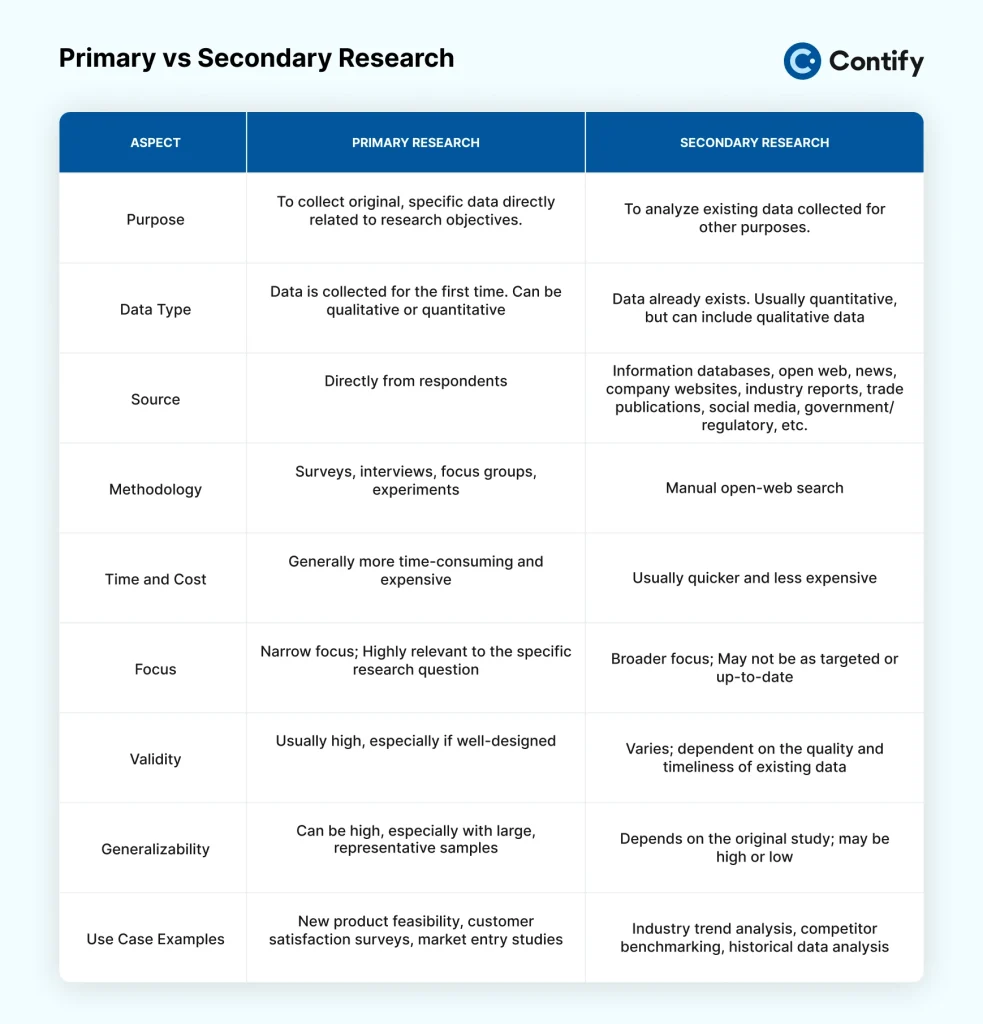
Choosing between qualitative and quantitative research, primary and secondary research, or a combination of both depends on factors such as research objectives, budget, timeline, and the specificity of the information needed.
For a successful market research project, you need to be clear about your goals. What do you hope to learn from the research? At the same time, remember that market research and market intelligence serve different purposes.

What is Market Intelligence?
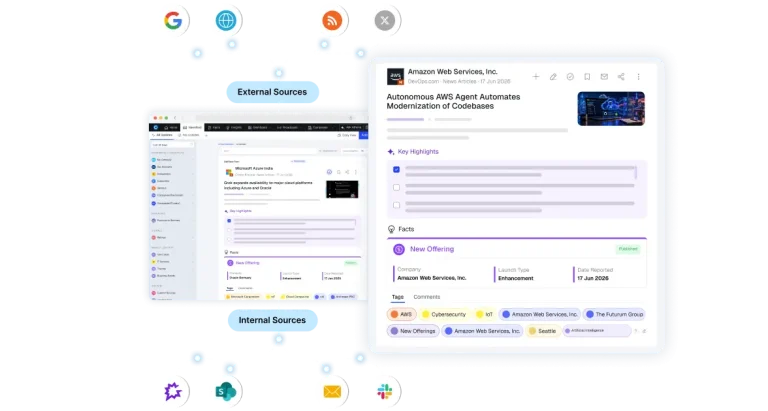
Market intelligence also includes gathering and analyzing data about markets, customers, competitors, and other market participants, and disseminating it to the stakeholders. But market intelligence is not about finding an answer to specific business questions. It is about understanding the changes in your market and competitive landscape.
In simpler terms, it’s concerned with “what’s changing”, not “what currently exists.” It is a continuous process, not a one-time project. Rather than a project, it is a program, a ‘Market Intelligence (MI) Program.’ When we label it a “program,” we imply a structured set of activities and processes consistently followed. It involves regular data collection, analysis, and reporting. Its purpose is to keep internal stakeholders informed, alert, and ready to act.
While market research provides the foundation for making specific business decisions, a market intelligence program ensures that the underlying assumptions of those business decisions have not changed. It is like a business’s radar system, constantly scanning the environment to detect weak signals before they become apparent industry trends.
Some of the common objectives for the market intelligence program include:
- Track activities of the key market participants (competitors, customers, regulators, or suppliers), to spot any changes in their strategic objectives, strengths, and weaknesses.
- Monitor sources and collect data to maintain an ongoing pulse on customer needs, behavior, preferences, and trigger alerts when any change is detected.
- Continuous market monitoring to identify potential threats and enable your stakeholders to take proactive measures.
- Spot any changes in the market perception or positioning of competitors’ products.
- Highlight any changes in the marketing activities or go-to-market strategy of competitors.
- Monitor shifts in the pricing strategies employed by competitors.
- Capture and analyze early signs of upcoming trends that could either present opportunities or pose threats.
Market intelligence serves a different yet complementary need to market research. The following table summarizes the key differences between the two:
The Value of Integrated Market Intelligence and Market Research
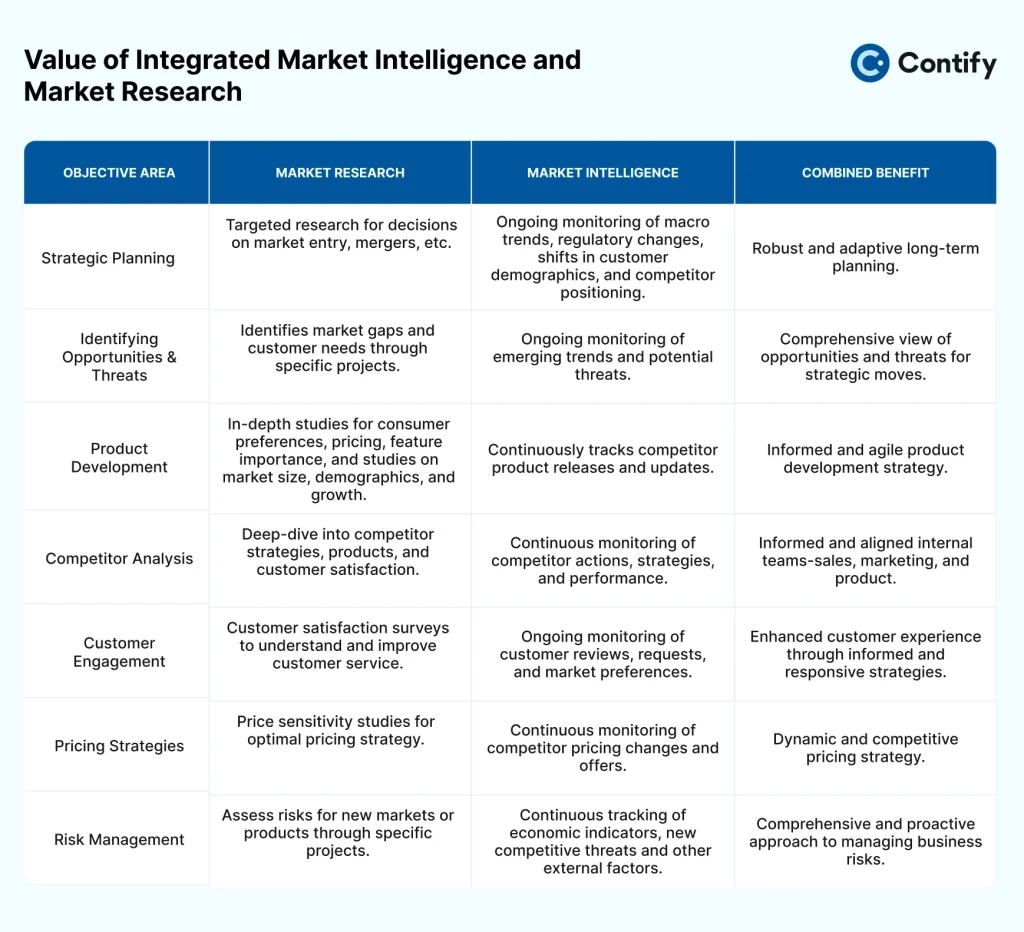
Both market research and market intelligence have distinct yet complementary roles in helping a company achieve its objectives. Utilizing both allows a company not only to make informed decisions but also to adapt and evolve in a continuously changing market landscape.
For example, you can use market intelligence to identify a potential market gap for a new product or service. Then, you can use market research methodologies to test your idea with your target customers and get their feedback. This pairing creates a well-rounded strategy for achieving objectives. The table below summarizes how the focused insights from market research can be complemented by the broader, real-time insights from market intelligence, giving companies a well-rounded strategy for achieving their objectives.
Interestingly, the data used for both Market Research and Market Intelligence often overlap. The table below outlines the diverse range of sources for data collection, each offering its own unique characteristics.
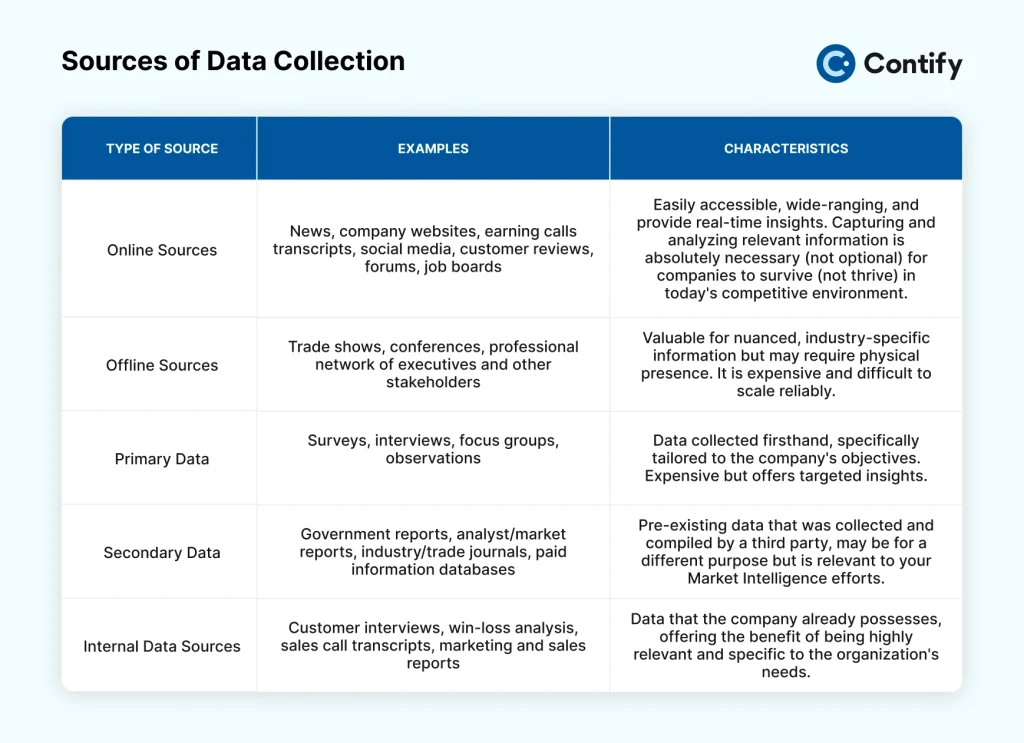
Leveraging both Market Research and Market Intelligence provides a comprehensive framework for understanding your market, making data-driven decisions, and sustaining a competitive advantage.

Contify’s Framework for Starting Your Market Intelligence Program
We have established that market intelligence is not focused on a specific business question. It is intelligent monitoring of your market landscape for strategic signals, changes, and emerging trends.
So, what should be the scope of your Market Intelligence program? It can’t be random monitoring of everything, after all, random actions yield random results.
At Contify, leveraging over 16 years of experience in implementing market intelligence programs, we’ve developed a specialized framework to guide companies in outlining the scope of their Market Intelligence initiatives.
Feel free to download our framework to take a more structured approach to your Market Intelligence efforts. Get access here.
Conclusion
Markets are in constant flux, influenced not just by competitors but also by evolving technology, regulatory shifts, and changing consumer behaviors. While market research can answer specific questions, market intelligence serves as the company’s radar, continuously scanning a broader spectrum of the business environment. Market intelligence vs market research is not an either-or choice.
The absence of a Market Intelligence program in today’s competitive landscape is akin to walking into a shoot-out blindfolded. Traditional approaches to Market Intelligence are not equipped to handle the enormous volume of valuable data available online today.
However, the evolution of technologies like Generative AI processing has modernized Market Intelligence into a more agile, efficient, and responsive discipline.
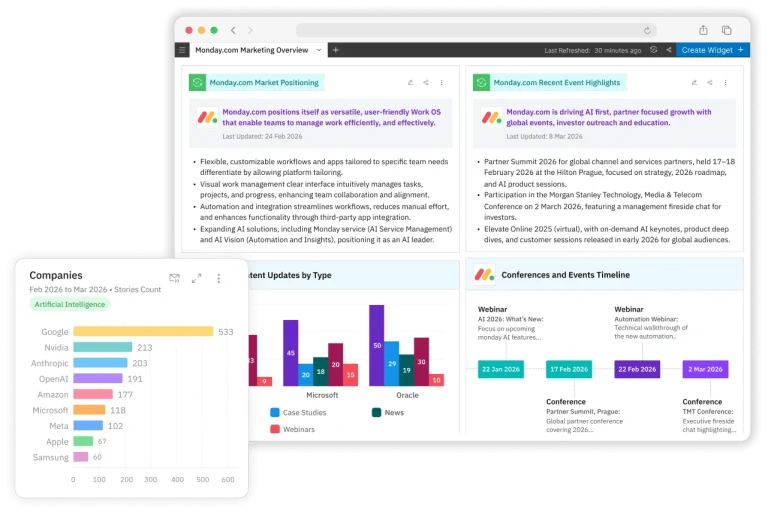
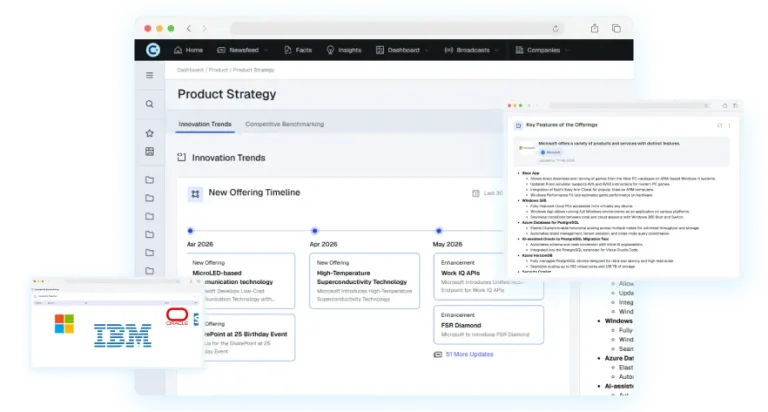
Contify is an AI-powered Market and Competitive Intelligence platform that provides actionable insights on market, industry, competitors, and strategic entities. It directly answers your stakeholders’ key intelligence questions and their ad-hoc queries. Intelligence is collected from 1 Mn+ vetted external sources, including news, company sites, SEC filings, social media, and custom sources such as regulatory portals, review sites, job boards, etc. To know more about the Contify platform, request access here.
We help organisations to make faster, more confident decisions and respond to competitors with greater agility, and rank among the top market intelligence platforms and best competitive analysis tools for our ability to deliver curated insights that cut through digital noise.
FAQ’s
Do market research and market intelligence use different data sources?
Market intelligence combines external sources such as web analytics, competitor websites, industry reports, government databases, company sites, filings, social media, analyst, and regulatory portals. Market research, however, utilizes primary data (surveys, interviews) with targeted desk research for the specific study.
Why integrate market research and market intelligence?
Together, they provide both confidence and agility, as market research strengthens decisions at a given point in time and market intelligence keeps those decisions aligned with a moving market.